
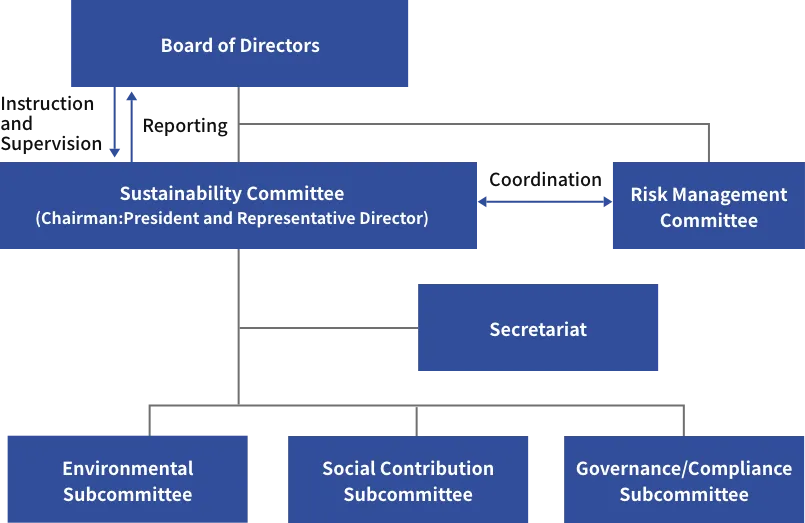

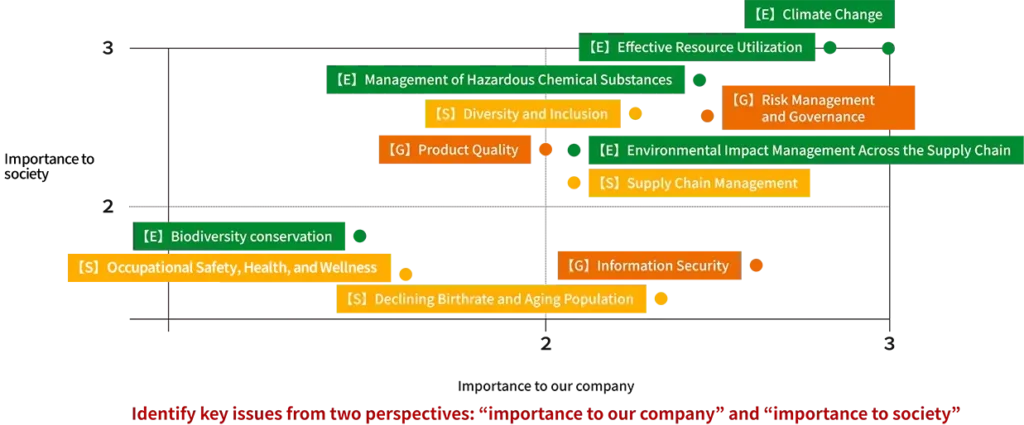
| Category | Materiality (Key Issues) |
Key Initiatives | Approach to SDGs |
| Environment (E) |
Climate Change (Greenhouse Gas Emissions Reduction) | CO2 Emissions: 46% reduction by fiscal year 2030 compared to fiscal year 2017 Development of Environmentally Considerate Products, Development of Environmentally Contributing Products |
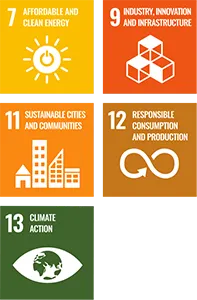 |
| Effective Resource Utilization | Recycling rate: 86.7% by fiscal year 2030 | ||
| Management of Hazardous Chemical Substances | Zero violations of domestic and international chemical substance regulations Reduce VOC handling volume by 10% by fiscal year 2030 compared to fiscal year 2020 |
||
| Environmental Impact Management Across the Supply Chain | Identify environmental impact across entire supply chain Promotion of green procurement |
||
| Biodiversity conservation | Control pollution caused by chemical substances, etc. | ||
| Society (S) |
Diversity and Inclusion | Employee Engagement Increasing the proportion of female managers |
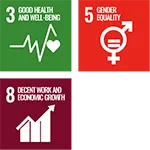 |
| Declining Birthrate and Aging Population | Expanding Diverse Talent Recruitment Expanding Systems to Enhance Human Capital Value |
||
| Occupational Safety, Health, and Wellness | Support for maintaining and promoting health Workplace Environment Improvement to Prevent Occupational Accidents and Diseases |
||
| Supply Chain Management | CSR Procurement Based on Corporate Social Responsibility Procurement for Business Continuity Planning (BCP) |
||
| Governance (G) |
Risk Management and Governance | Strengthening Compliance Systems Strengthening Risk Management Systems |
 |
| Information Security | Continuing and Strengthening Information Security Education Diagnosis and Countermeasures for Vulnerabilities in Information Security Systems |
||
| Product Quality | Continuous Improvement of Manufacturing Processes Thorough Quality Compliance |